Thread 1.4 Turns Matter Reliability Into a Network Design Problem
Matter and Thread are improving, but reliability still depends on network design. Treat Thread 1.4 border routers, controller ownership, and fallback automations as infrastructure before buying more devices.
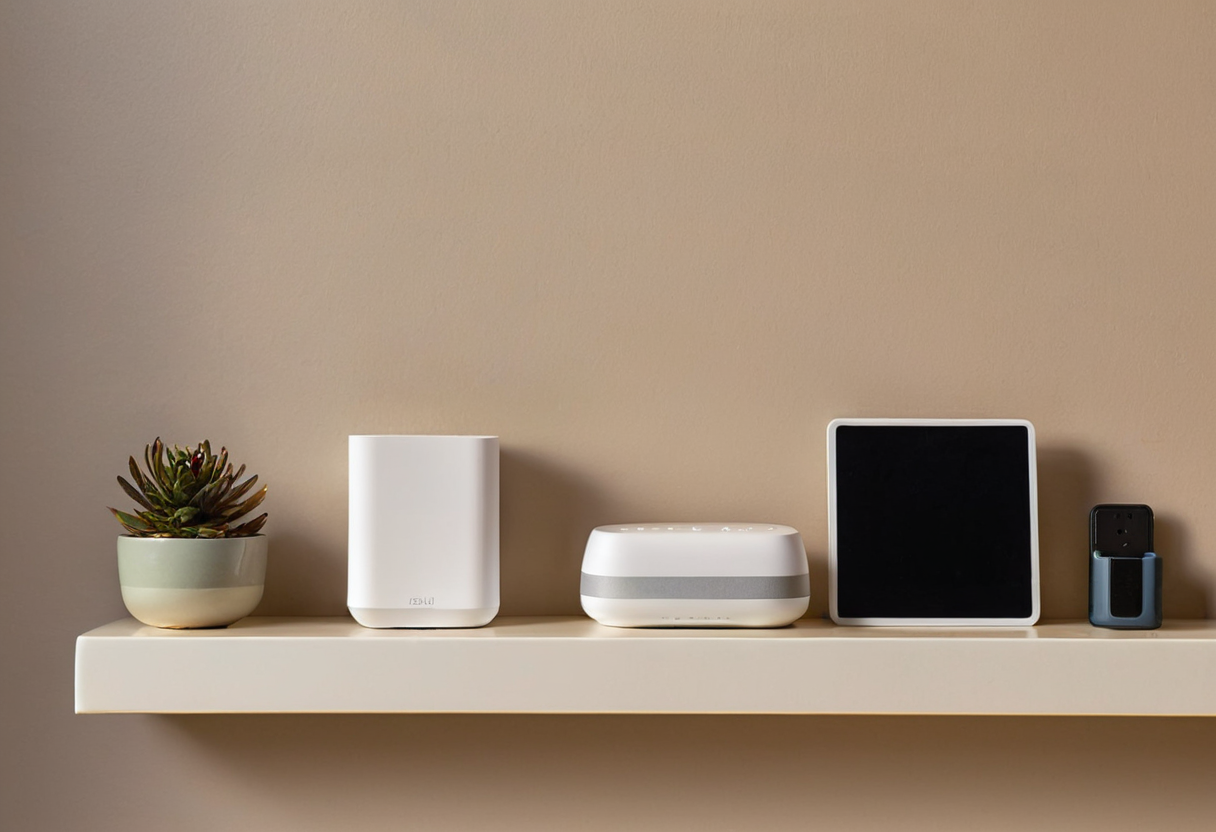
The Thesis: Compatibility Is Not the Same as Reliability
Matter has made smart-home shopping easier, but 2026 is proving that a common badge does not automatically create a dependable home. The practical shift is Thread 1.4: better credential sharing and border-router behavior can reduce fragmentation, yet those improvements only help when the network is designed deliberately. A reliable Matter-over-Thread home is no longer a pile of compatible devices. It is a small infrastructure project with planned border-router placement, clear controller ownership, and fallback paths for the routines that matter most.
Why Thread 1.4 Matters
Thread is the low-power mesh network behind many Matter sensors, plugs, locks, shades, and switches. Earlier Thread homes often became messy because different ecosystems created separate Thread networks. One Apple border router, one Google hub, and one smart display could all appear helpful while quietly splitting devices across islands. Thread 1.4 is meant to improve how border routers share credentials and participate in the same fabric, which should make multi-brand homes less brittle over time. The catch is rollout. A feature is only useful when the border routers in the house actually support it clearly through firmware and certification, so buyers should check update paths instead of assuming every hub is equally modern.
Map Border Routers Before Adding Sensors
The most useful smart-home upgrade may be a simple floor plan. Mark every Thread border router, every Wi-Fi access point, and every always-powered Thread device such as a smart plug. Then mark the devices that need reliable coverage: the front-door lock, hallway motion sensor, bedroom shades, leak detector, and thermostat. This map quickly reveals weak geometry. A border router beside the television may not help a lock behind a metal front door. A plug in a central hallway may do more for the mesh than another expensive hub in the office. Thread is a mesh, but it still obeys distance, walls, interference, and power.
Choose a Primary Controller, Not Five Equal Bosses
Matter supports multi-admin control, which lets devices appear in Apple Home, Alexa, Google Home, SmartThings, or Home Assistant. That flexibility is useful, but equal access is not always good operations. A household should decide which platform owns critical automations and which platforms are secondary interfaces. For example, Home Assistant might run leak alerts and night modes locally, while Apple Home provides family-friendly room controls and Alexa handles voice commands for lights. The tradeoff is complexity: fewer platforms are easier for everyone to understand, while multiple controllers can provide resilience. The answer is not maximal integration; it is a written control model. Label the owner of each routine, avoid duplicate motion rules in different apps, and keep a short household note explaining which app to use when a scene fails.
Design for Failure, Not Just Setup Day
Most smart-home frustration appears months after pairing, when a hub updates, a cloud service slows down, or a battery device drops from the mesh. Build around that reality. Keep manufacturer apps for firmware updates, but avoid placing daily routines only in vendor clouds when local control is available. Put critical devices on strong power and coverage paths. Give family members a default app, but document a fallback for locks, lights, and climate. If a Thread network becomes unstable, resist buying random new gadgets first. Update border routers, remove duplicate networks where possible, add powered routers in better locations, and simplify overlapping automations.
Key Takeaway
Thread 1.4 can make Matter homes more coherent, but it does not remove the need for design. Before buying another sensor, map the control paths: where border routers sit, which controller owns critical routines, which devices extend the mesh, and what still works when one app or hub fails. The smartest smart home in 2026 is the one whose network has been planned as carefully as its devices.