Acoustic Comfort Is the Interior Upgrade Open Rooms Need Next
Open rooms do not need to be louder rooms. Acoustic comfort is becoming a practical interior design upgrade that uses textiles, wood, rugs, and layout choices to make modern homes feel calmer.
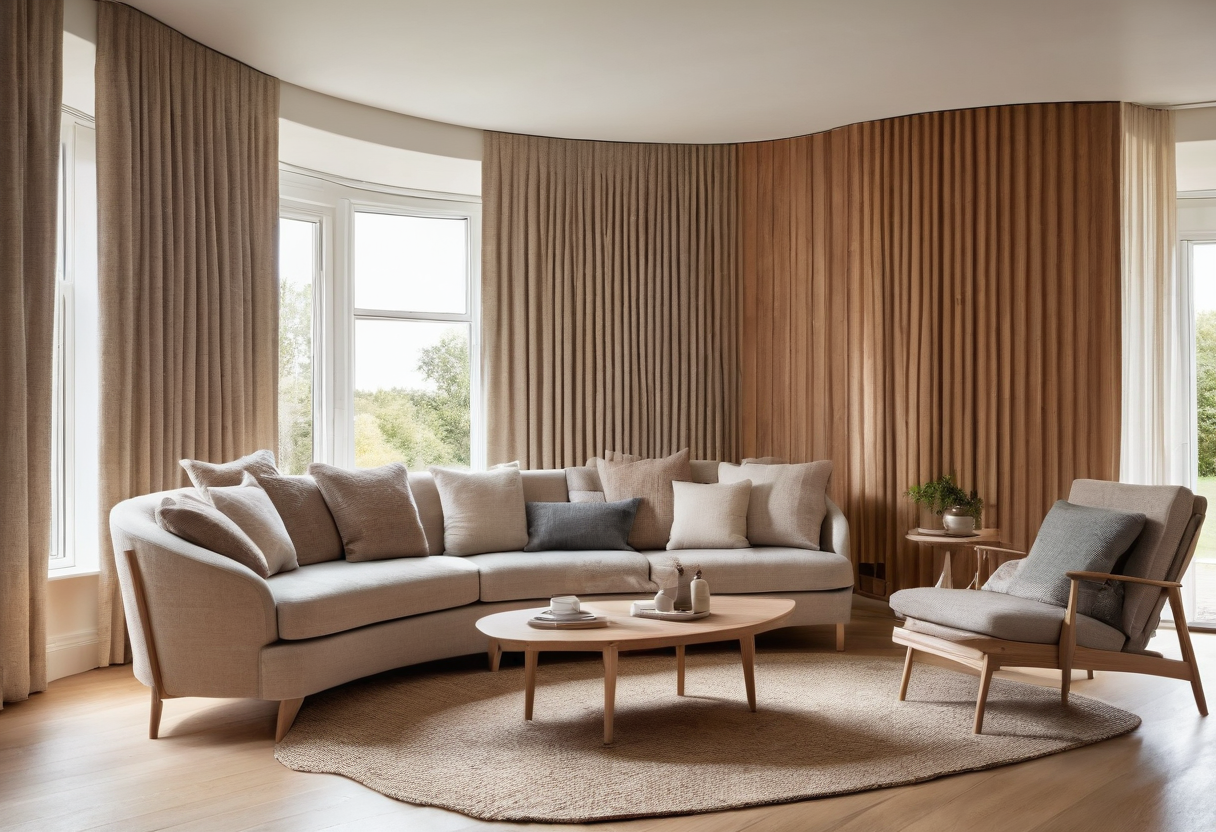
Open-plan living has a sound problem. The same rooms that look bright, flexible, and social in photographs can feel tiring in daily life when every video call, dishwasher cycle, toy, and hallway footstep bounces across hard floors and bare walls. The next useful interior upgrade is not another statement chair; it is acoustic comfort, a design approach that makes rooms quieter, softer, and easier to live in while still looking modern.
Why Sound Belongs in the Design Brief
Most people notice acoustics only when they fail. A dining area feels lively during dinner but harsh during breakfast. A living room looks minimal but makes television dialogue muddy. A home office technically has a desk, yet every meeting leaks into the rest of the apartment. These are not just audio problems. They affect how relaxed, focused, and private a home feels.
Recent design coverage has been moving toward sensory comfort: natural materials, tactile surfaces, flexible layouts, and rooms that support wellbeing rather than only visual neatness. Acoustic design fits that shift because it treats sound as a material. A wall, rug, curtain, bookshelf, or upholstered bench can shape the room just as much as paint color or lighting.
The Best Acoustic Fixes Look Like Normal Interiors
The mistake is to imagine acoustic comfort as a studio full of foam panels. In homes, the most effective choices often look ordinary. A large wool rug under a seating group reduces floor reflections. Full-height curtains soften glass doors. A fabric sofa absorbs more sound than a leather one. Open bookshelves, woven baskets, and textured wall hangings break up flat surfaces that would otherwise reflect noise.
Wood can help too, especially when it is used as slatted paneling, ribbed cabinet fronts, or perforated surfaces backed by acoustic felt. The visual effect is warm and architectural, not technical. In a small apartment, even a single textile wall panel behind a desk can make calls feel more controlled. In a family room, a thick rug plus lined curtains can make evening television less echoey without changing the floor plan.
Zoning Beats Adding More Stuff
Acoustic comfort is also about layout. Open rooms fail when every activity shares the same reflective box. Zoning creates small pockets of sound behavior. A reading chair can sit beside curtains and a floor lamp rather than in the center of a hard room. A dining table can be anchored by a rug or pendant shade that defines the area visually and acoustically. A work nook can face a wall with art, shelving, or fabric pinboard instead of a window that throws sound back.
This does not require clutter. It requires choosing where softness belongs. Put absorption near noise sources: the office chair, the media console, the breakfast table, the play corner. Put diffusion on big empty surfaces: shelving on a long wall, ribbed wood on a cabinet run, art with depth rather than a single glossy print. The result is a room that still reads as open, but no longer behaves like one large echo chamber.
The Tradeoffs Are Worth Planning
Acoustic upgrades have tradeoffs. Thick curtains need more maintenance than bare glass. Rugs can complicate cleaning in homes with pets. Slatted wood panels cost more than paint and can look trendy if overused. Too much softness may make a room feel visually heavy, especially in a compact home.
The solution is to start with the loudest pain point and solve it in layers. If a living room echoes, begin with the floor and windows before buying wall panels. If calls are the issue, improve the desk backdrop and add a soft surface behind or beside the speaker. If dining noise is the problem, test a rug, upholstered chairs, or a fabric pendant shade. Acoustic comfort works best when each layer also improves the room visually.
A Practical Shopping Checklist
Look for materials with texture, depth, and mass. Wool, bouclé, linen, cork, felt, wood slats, and upholstered pieces all help more than thin decorative objects. Favor larger continuous surfaces over tiny accents: one properly sized rug matters more than three small cushions. In modern interiors, choose a restrained palette so the added softness feels intentional rather than busy.
Before buying, clap in the room and listen for the ring. Record a short voice memo from the sofa or desk. After each change, repeat the test. The goal is not silence. It is reducing the hard edge of everyday sound so conversations feel clearer and the room feels less draining.
Key Takeaway
Acoustic comfort is one of the most practical interior upgrades for open modern homes because it improves how a room feels, not just how it photographs. Start with rugs, curtains, textured surfaces, and smarter zoning, then add specialized acoustic materials only where the room still sounds too hard.