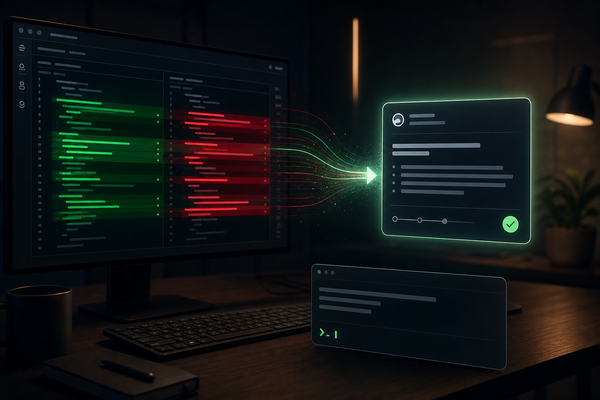
One Claude Code Tip a Day: Draft the Commit from the Diff
Use Claude Code to draft commit messages from the actual git diff: inspect intent, split noisy changes, verify tests, then produce a message that tells the review story.
Read moreA daily English series sharing practical Claude Code tips, commands, and workflows.
Use Claude Code to draft commit messages from the actual git diff: inspect intent, split noisy changes, verify tests, then produce a message that tells the review story.
Read more
Use git diff as the review checkpoint after Claude Code edits: inspect behavior-changing lines, ask Claude to explain risks, run focused tests, and force a second pass before you accept the patch.
Read more
A practical Claude Code workflow for unfamiliar bugs: run a read-only analysis pass before edits, demand file-level evidence, then make the smallest verified patch.
Read more
Use Claude Code’s ! shell commands to verify reality without leaving the session: run the exact failing command, inspect logs, check git state, and feed the evidence back before the second pass.
Read more
Use @file to anchor Claude Code on the exact source of truth before it edits: read the file, state the hypothesis, patch narrowly, then verify with tests and git diff.
Read more
Use /memory to turn repeated Claude Code corrections into scoped project rules: save durable conventions with evidence, verification commands, and clear boundaries instead of vague preferences.
Read more
Use @folder to give Claude Code a bounded subsystem: map the files, identify the active path, edit narrowly, and verify with targeted tests and git diff.
Read more
A field guide to using Claude Code for frontend fixes: make it reproduce the bug, inspect the DOM, verify in the browser, and correct the patch before declaring done.
Read more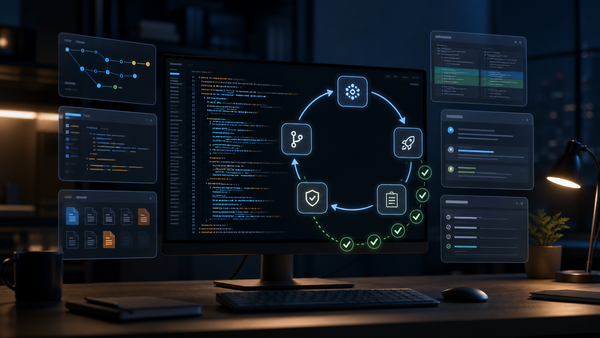
Use Claude Code to debug deployments from real logs: capture the first failing line, form a narrow theory, patch only the proven cause, redeploy, and verify the next run.
Read more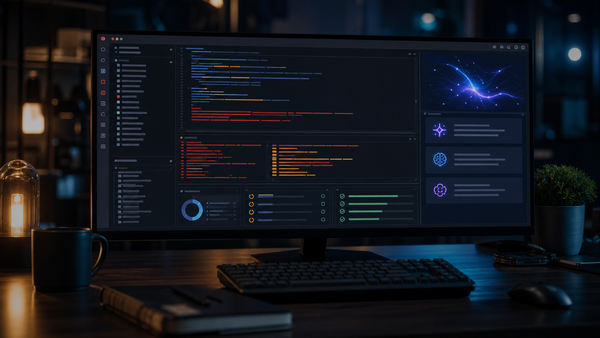
A field guide to making Claude Code name the exact failure signal before it edits: reproduce what is broken, define the proof, patch narrowly, and verify the same signal changed.
Read more