
Smarter HVAC Starts With Air Quality, Not Just Temperature
Smart HVAC is becoming more useful when it reacts to humidity, CO2, VOCs, and filtration needs instead of treating temperature as the only comfort signal.
Read moreA collection of 23 posts
Smart HVAC is becoming more useful when it reacts to humidity, CO2, VOCs, and filtration needs instead of treating temperature as the only comfort signal.
Read more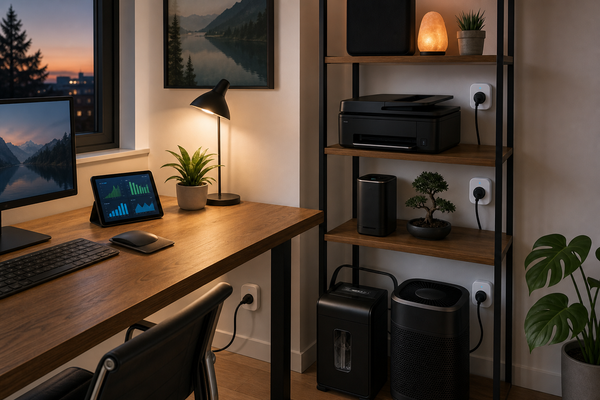
Energy-monitoring smart plugs are most useful when they turn invisible standby draw into room-by-room decisions, not when they promise magical bill cuts.
Read more
Portable E-Ink monitors are not replacements for bright laptop displays; they are focused second screens for reading, terminals, drafts, and travel workflows that reward stillness.
Read more
Automated shades are useful when they are treated as a comfort routine: manage glare, heat, privacy, and daily rhythm before anyone reaches for an app.
Read more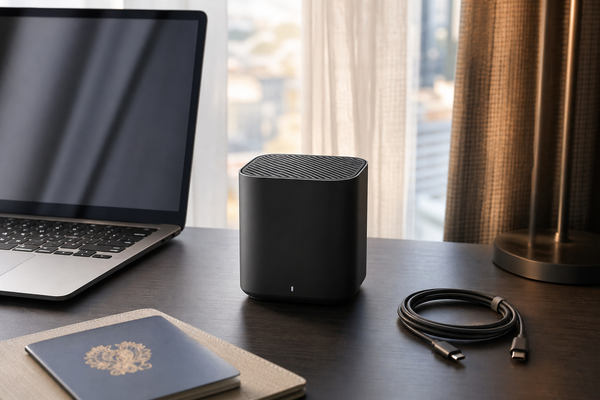
Compact Wi-Fi 7 travel routers are becoming a practical way to make temporary workspaces more reliable, private, and workstation-like without carrying a full networking kit.
Read more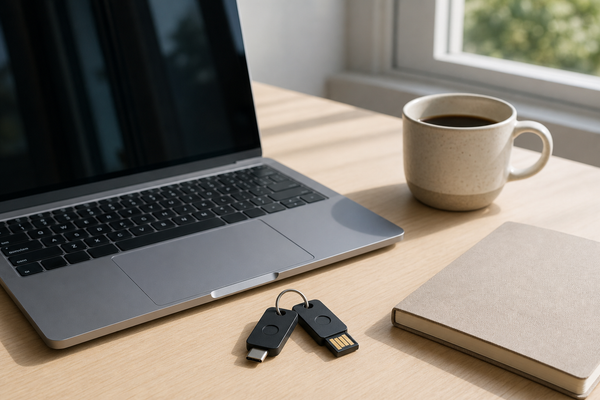
Passkeys are moving into the mainstream, but daily account security still needs a physical recovery plan. A pair of hardware security keys can make stronger login habits practical for freelancers, builders, and small teams.
Read more
Smart rings are most useful when they stop trying to replace the smartwatch. Their real value is quiet recovery tracking: sleep, readiness, temperature trends, battery life, and fewer screens.
Read more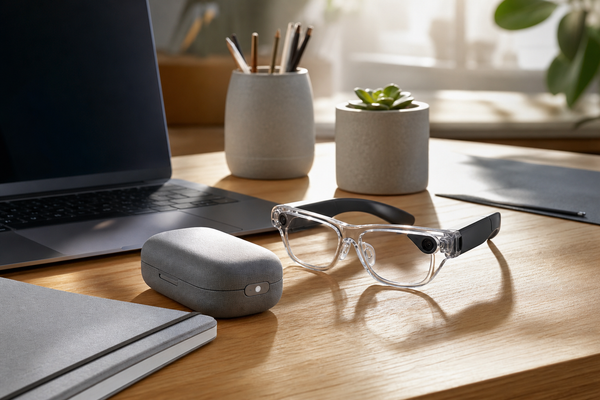
The most practical AI glasses are not trying to replace phones. They win when they handle small, glanceable tasks with good privacy boundaries and low friction.
Read more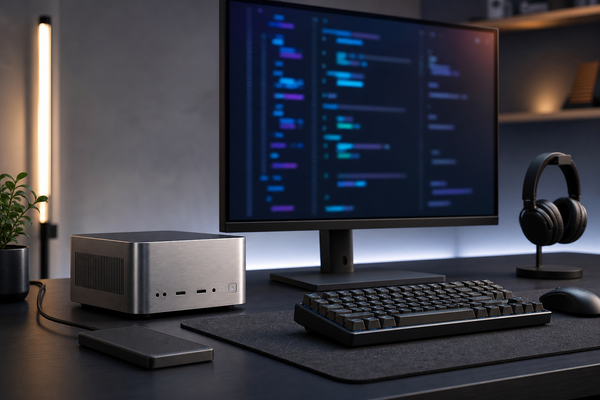
Compact AI mini PCs are becoming useful because they turn local model experiments into an always-available desk tool, not a separate lab project.
Read more
Presence sensors are becoming a practical smart home layer for rooms that should react to people, not schedules. The best setups start small: one room, local rules, clear privacy boundaries, and manual overrides.
Read more