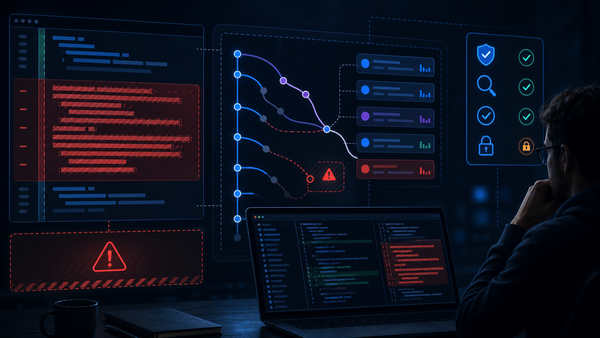
One Claude Code Tip a Day: Treat Deletions as High-Risk Edits
When Claude Code deletes code, slow the session down: ask what each removal proves, which runtime path depended on it, and what verification would catch a bad cleanup.
Read moreA collection of 54 posts
When Claude Code deletes code, slow the session down: ask what each removal proves, which runtime path depended on it, and what verification would catch a bad cleanup.
Read more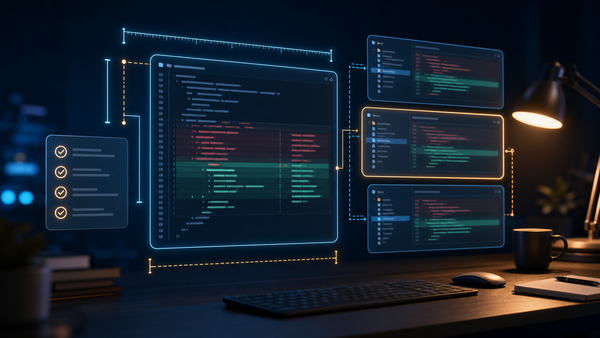
Before Claude Code edits, give it a change budget: the files it may touch, the checks it must run, and the conditions that require stopping instead of expanding scope.
Read more
Use /verify as a structured evidence pass: define what should be proven, let Claude run the app and checks, inspect the failures, then make one correction before you trust the fix.
Read more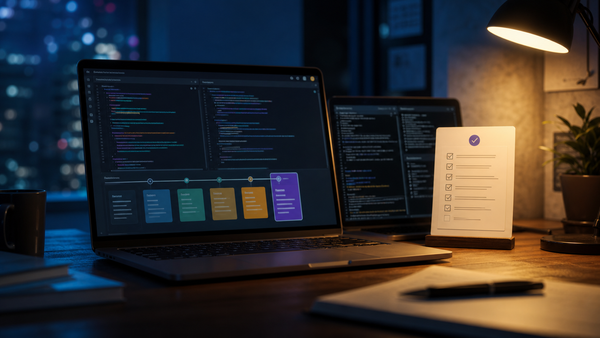
A field guide to resuming Claude Code sessions safely: rebuild the brief, verify stale assumptions, inspect the diff, rerun proof commands, and only then continue editing.
Read more
Use Claude Code for release checks by turning the final pre-deploy pass into an evidence log: inspect diffs, run focused commands, read failures, correct once, and ship only what has been verified.
Read more
Use /status as a session checkpoint before changing direction: confirm repo, model, context pressure, and permissions before asking Claude Code to edit, debug, or review.
Read more
Use Claude Code as a maintainer-style reviewer: make it read the diff, test the behavior, challenge edge cases, and request a second-pass patch before merging.
Read more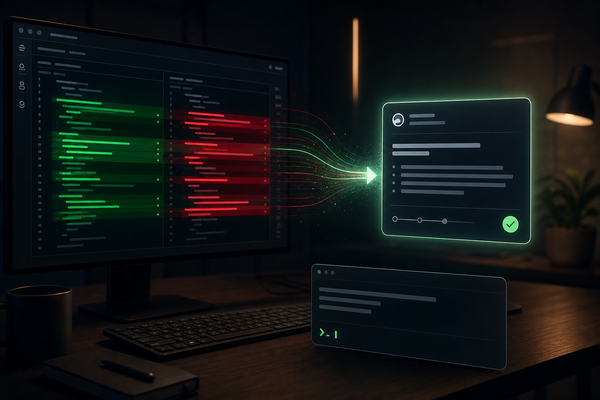
Use Claude Code to draft commit messages from the actual git diff: inspect intent, split noisy changes, verify tests, then produce a message that tells the review story.
Read more
Use git diff as the review checkpoint after Claude Code edits: inspect behavior-changing lines, ask Claude to explain risks, run focused tests, and force a second pass before you accept the patch.
Read more
A practical Claude Code workflow for unfamiliar bugs: run a read-only analysis pass before edits, demand file-level evidence, then make the smallest verified patch.
Read more