On-Device AI Gadgets Need a Privacy Dashboard, Not Just a Faster Chip
The next useful AI gadget will not win only by moving inference onto the device. It needs a plain privacy dashboard that shows what was captured, what was processed locally, what left the device, and how to delete or pause sensitive context.
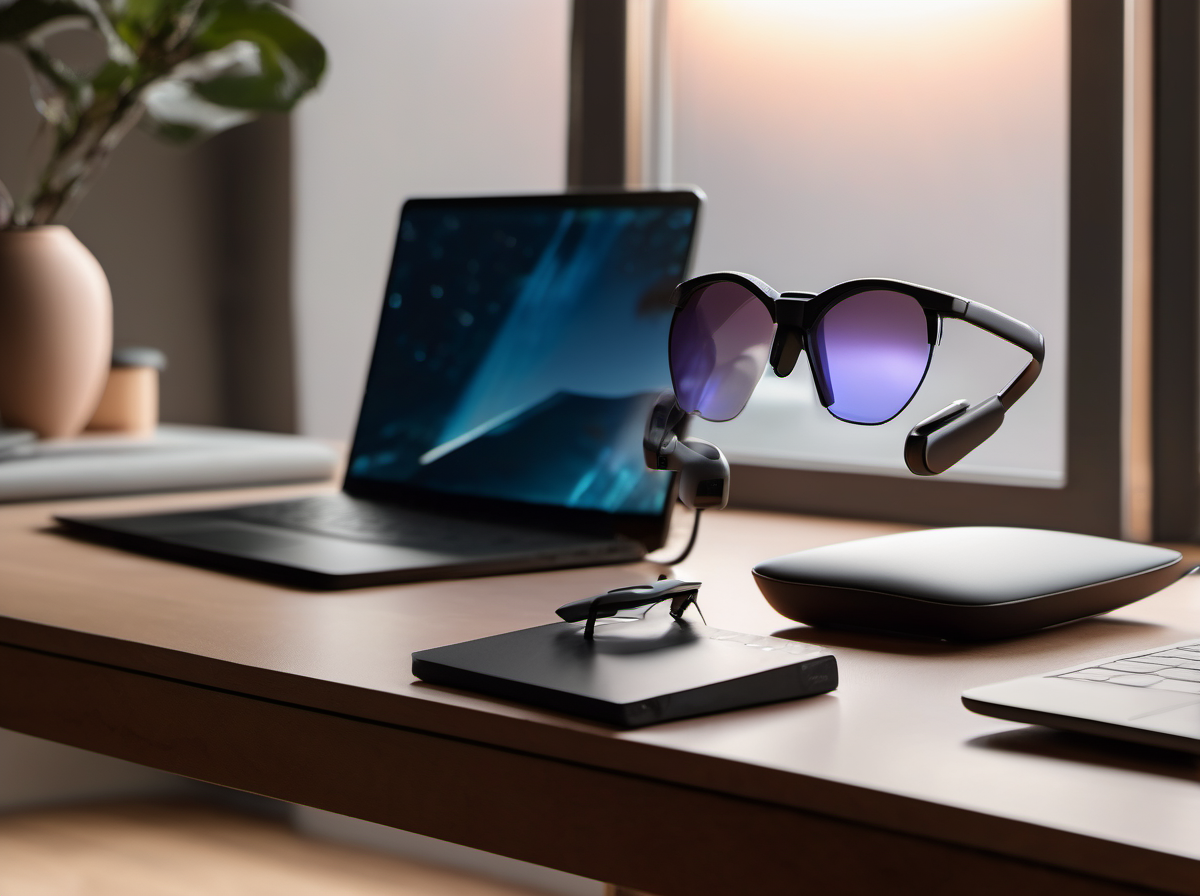
AI gadgets are moving past the novelty phase, but the real test in 2026 is not whether a wearable, hub, or laptop can run a model locally. The test is whether a person can understand what the device observed, what it kept, what it sent away, and how to stop it. On-device AI is a strong technical direction for speed and privacy, yet it becomes a practical product promise only when paired with a clear privacy dashboard.
Local AI Is Not the Same as Private AI
Many new gadgets now advertise local processing: AI glasses that summarize scenes, meeting wearables that transcribe decisions, smart home hubs that analyze sensors, and laptops that run assistants without waiting for a cloud round trip. Local inference can reduce latency and keep sensitive context closer to the owner. It also makes features feel more reliable when a connection is weak.
But local does not automatically mean private. A device may process audio locally while syncing transcripts to an app. A camera-based assistant may analyze frames on the gadget but store thumbnails for search. A hub may make routine suggestions locally while sending diagnostics to a vendor. The privacy question is no longer a simple cloud-versus-device binary. It is a chain of capture, processing, storage, sharing, and deletion.
The Dashboard Should Show the Data Path
The most useful interface would not be another vague toggle labeled "Improve AI features." It would be a data path view. For each feature, the dashboard should answer four questions in plain language: what sensors are active, where the AI processing happens, what artifacts are saved, and which services receive anything.
For example, an AI meeting pin could show that the microphone was active from 2:00 to 2:42, the transcript was generated on the phone, the summary was saved in the notes app, and no raw audio was uploaded. If raw audio was sent for higher-accuracy transcription, the dashboard should say so. That honesty would make the product more trustworthy than a polished privacy slogan.
Concrete Controls Beat Abstract Promises
Good controls should match real situations. A pair of AI glasses needs a one-tap private mode for clinics, classrooms, and confidential meetings. A smart home AI hub needs room-level exclusions so cameras in public areas can support automations while bedrooms remain outside analysis. A laptop assistant needs project-level memory controls, because work documents, personal photos, and browser history should not all share the same retention rules.
Deletion also needs to be visible. Users should be able to remove yesterday's captured context, clear all face or object memories, or set automatic expiration for summaries. If a gadget cannot explain how to delete its memory, the feature will feel like surveillance even when the model itself runs locally.
The Tradeoff: Convenience Versus Inspectability
The hard product challenge is that privacy dashboards can become intimidating. Too many switches may push ordinary users back to default settings. The answer is layered design: a simple status card for everyday use, a weekly activity summary for review, and advanced controls for people who need stricter boundaries.
This approach also helps families and teams. A household can agree that the kitchen hub may suggest routines but never retain camera snapshots. A startup can allow an AI note device in planning meetings but block cloud processing for investor calls. Inspectability turns privacy from a hidden policy into a shared operating rule.
What Buyers Should Look For
Before buying an AI gadget, look beyond model size and processor claims. Ask whether the company documents local and cloud modes separately. Check whether recording indicators are physical or merely hidden in software. Look for export and delete options before the return window closes. If the device depends on a subscription for basic privacy controls, treat that as a warning sign.
Developers and product teams should treat privacy UI as core infrastructure, not legal decoration. The best AI hardware will make its intelligence legible: what it noticed, why it acted, and how the owner can correct or erase it.
Key Takeaway
On-device AI is a promising foundation for the next generation of gadgets, but it is not enough by itself. The winning products will combine local processing with a readable privacy dashboard, practical pause modes, clear retention rules, and deletion that ordinary people can verify. Trust will come from control, not from chip specs alone.