Layered Lighting Is the Practical Upgrade for Warm Minimalist Homes
Warm minimalism only feels livable when lighting is planned in layers. The most useful 2026 interior upgrade is not another beige sofa, but a room-by-room lighting plan that makes natural materials, compact layouts, and evening routines work together.
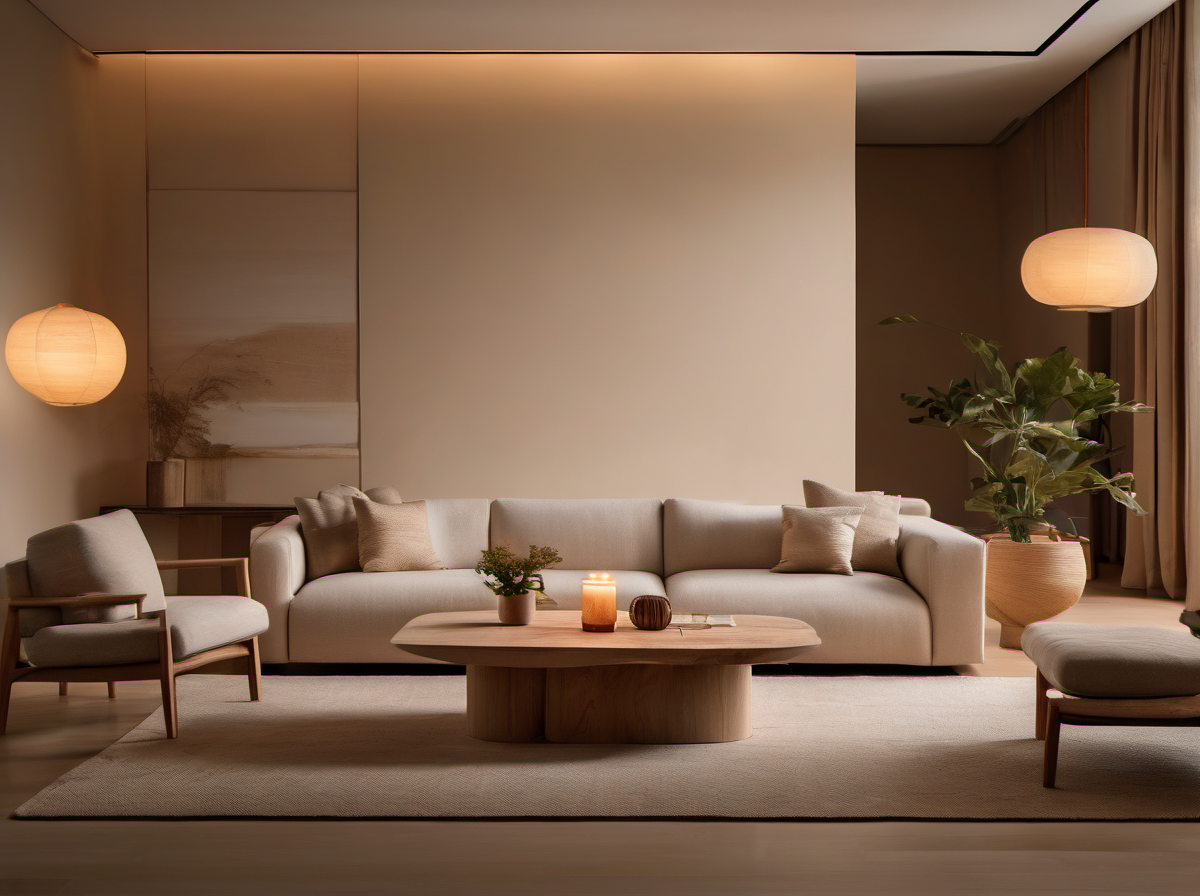
Warm minimalism is one of the most durable interior ideas for 2026, but it fails when it is treated as a color palette instead of a lighting strategy. A room can have oak, linen, stone, and a perfect neutral sofa and still feel flat under a single ceiling fixture. The practical upgrade is layered lighting: a deliberate mix of ambient, task, and accent light that lets a home shift from focused morning routines to relaxed evening living without adding visual clutter.
Start With the Room's Daily Script
Before buying a pendant or a sculptural lamp, write the room's daily script. A living room may need bright cleaning light, soft conversation light, a reading corner, and a low path light for late nights. A kitchen may need shadow-free counters in the morning and a warmer island glow after dinner. A bedroom may need wardrobe visibility, bedside reading, and a dim transition before sleep.
This script prevents the common mistake of choosing one beautiful fixture and expecting it to solve every mood. In a compact apartment, for example, a ceiling wash can make the room feel open during the day, while a floor lamp and a low shelf light can make the same footprint feel calm at night. The layout has not changed, but the perceived function has.
Use Three Layers, Not Three Times the Hardware
Layered lighting does not mean filling the ceiling with downlights. The three useful layers are ambient light for general visibility, task light for specific work, and accent light for depth. In a warm minimalist home, each layer should be quiet and purposeful.
Ambient light can come from a cove, a shaded pendant, or indirect wall washing rather than a harsh central bulb. Task light can be a reading lamp, under-cabinet strip, or adjustable sconce. Accent light can graze a textured plaster wall, highlight open shelving, or illuminate a plant near a window. The goal is to create choices, not brightness for its own sake.
Make Natural Materials Look Better
The renewed interest in wood, stone, woven fibers, and tactile finishes depends heavily on light quality. Cool, flat light can make walnut look gray and linen look tired. Warm light with good color rendering brings out grain, texture, and shadow.
A practical rule is to keep living areas around a warm evening tone while using brighter, cleaner light only where tasks require it. A kitchen prep zone can be crisp without forcing the dining area to feel clinical. A bathroom mirror can be accurate for grooming while a nearby wall light keeps the room from feeling like a hotel corridor. Materials do not perform alone; light decides whether they feel rich or dull.
Design for Flexibility, Especially in Small Homes
Many homes now combine work, rest, fitness, and hosting in the same rooms. Layered lighting is a low-renovation way to support that flexibility. A desk placed in a bedroom can feel temporary and stressful under general light, but a focused lamp, dimmable background glow, and a warmer evening scene help the room return to rest mode after work.
The tradeoff is complexity. Too many switches, apps, and scenes can make a room harder to use. The fix is to keep controls obvious: one switch for general light, one for task light, and one scene or dimmer for evening. Smart bulbs can help, but the design should still make sense if someone ignores the app.
Choose Fixtures That Disappear or Earn Attention
Warm minimalism works best when lighting either disappears into the architecture or becomes a clear focal point. Recessed strips, small sconces, and under-shelf lights can support the room without adding objects. A pendant over a dining table or a sculptural floor lamp can become the one visible gesture.
Avoid the middle ground: too many decorative fixtures competing for attention. If the room already has expressive stone, patterned upholstery, or art, let the lighting be quiet. If the palette is restrained, one strong lamp can provide the character that a blank beige room is missing.
Key Takeaway
Warm minimalism becomes livable when lighting is planned before accessories. Map the room's daily script, build ambient, task, and accent layers, protect the beauty of natural materials with warm high-quality light, and keep controls simple enough for everyday use. The result is a calmer home that changes mood without needing more furniture or more clutter.