Presence Sensors Make Rooms Responsive Without Cameras
Presence sensors are becoming a practical smart home layer for rooms that should react to people, not schedules. The best setups start small: one room, local rules, clear privacy boundaries, and manual overrides.
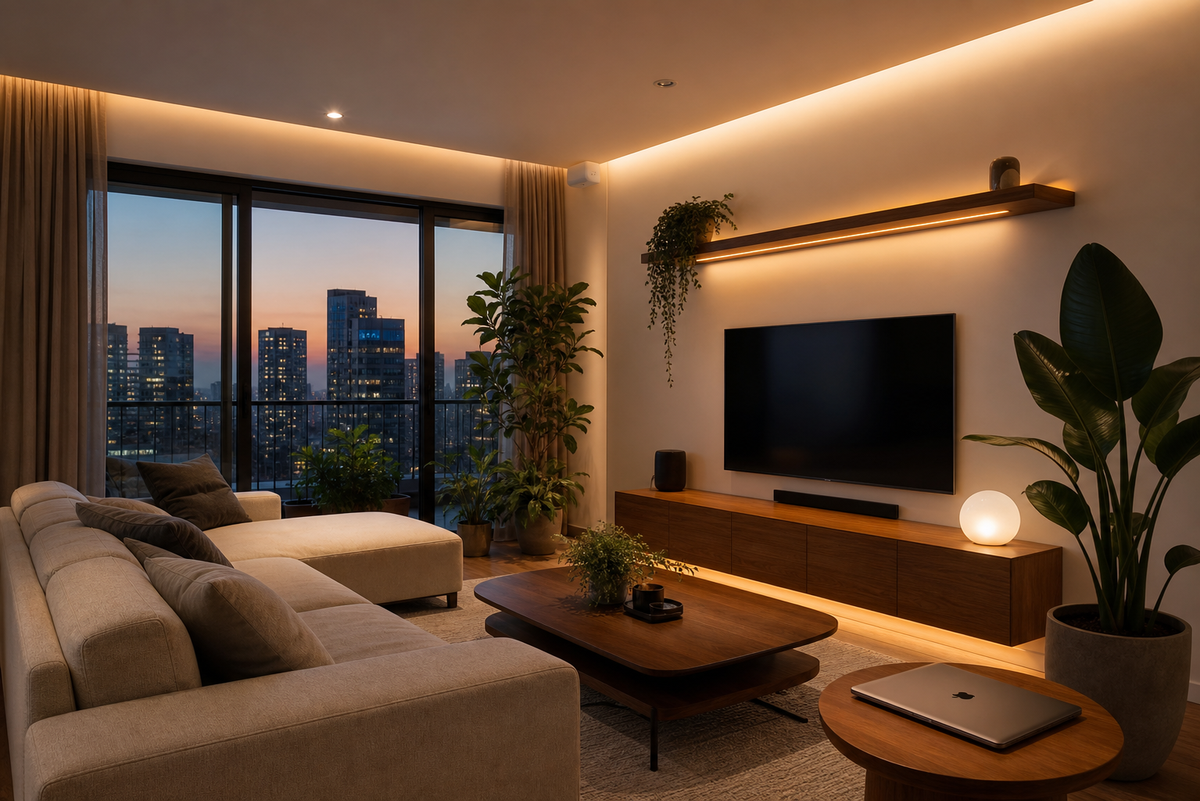
A smart room should not need a camera, a wearable, or a perfect schedule to know when it should help. That is the practical promise of presence sensors: they turn occupancy into a quiet signal for lighting, heating, cooling, ventilation, and reminders while keeping the automation local and understandable. The strongest smart home upgrade in 2026 is not a louder dashboard; it is a room that notices whether someone is actually there, then makes one or two useful decisions without asking for attention.
Why presence is different from motion
Traditional motion sensors are good at detecting movement, but they often fail during the most common indoor activities: reading on a sofa, working at a desk, cooking while standing in one spot, or watching a movie. A presence sensor is designed to keep detecting occupancy even when movement is subtle. That difference changes the automation design. Instead of setting a hallway light to shut off after two minutes of no motion, a living room can keep lamps on while someone is still seated and fade them only after the room is genuinely empty.
The tradeoff is placement and tuning. A sensor aimed across a seating area can be excellent for lamp scenes but poor near a ceiling fan or a busy window. The first practical step is to choose one room with a clear pain point, such as a study where lights turn off during focused work, rather than trying to instrument the entire home at once.
Start with automations that are easy to undo
Presence data is most useful when it controls reversible actions. Lighting is the obvious starting point: turn on a desk lamp when the room is occupied after sunset, keep it on during still work, and turn it off after a longer vacancy window. Comfort can come next. A fan, dehumidifier, or thermostat routine can use occupancy as one condition alongside temperature, humidity, or time of day, so equipment does not run aggressively in empty rooms.
Good rules should include manual overrides. If someone turns a lamp off at the switch or in an app, the automation should pause for a while instead of immediately fighting back. If a guest sleeps in a multipurpose room, a simple night mode should disable bright scenes. The goal is not to make the house feel clever; it is to reduce the number of tiny corrections people make every day.
Privacy comes from architecture, not marketing
Presence sensing is attractive because it can avoid cameras in private spaces. Still, privacy depends on the system architecture. Prefer setups where occupancy events are processed locally, where rooms are named plainly, and where logs are limited to what the automation needs. A rule that says occupied or vacant is very different from a cloud timeline that records every movement pattern in the home.
There is also a social privacy layer. Everyone who lives in the home should know which rooms have sensors and what they control. Bedrooms, bathrooms, and guest spaces deserve stricter defaults than offices, kitchens, or utility rooms. A small visible sensor with a clear purpose is often easier to trust than an invisible automation that people discover only when it behaves strangely.
Where presence sensors pay off
The best examples are ordinary. In a home office, the sensor keeps task lighting and a quiet fan running while someone writes without moving much. In a kitchen, it can brighten under-cabinet lights when someone is present and keep them from staying on all evening. In a media room, it can prevent lights from switching on during a movie just because someone reaches for a drink. In a laundry area, it can combine occupancy with a door or vibration sensor so reminders appear when someone is actually nearby, not when they are busy elsewhere.
The limits matter too. Presence sensors are not magic identity systems. They may not know who is in the room, and they can be confused by pets, reflections, or poor aiming. Battery-powered devices may require less frequent reporting to preserve life, while wired sensors can usually provide faster and more consistent updates. A practical setup accepts those limits and designs around them.
Key Takeaway
Key Takeaway: Presence sensors are most valuable when they replace brittle timers with local, privacy-conscious room awareness. Start with one room, one reversible automation, and clear override rules; if the room becomes calmer instead of more complicated, then expand the pattern.