The 3 Layers That Make Any Living Room Look HIGH-END — Design Logic That Actually Works
The 3 Layers — Foundation, Structure, and Accent. One design principle that transforms any living room into a high-end space without spending more. Here's how it works.
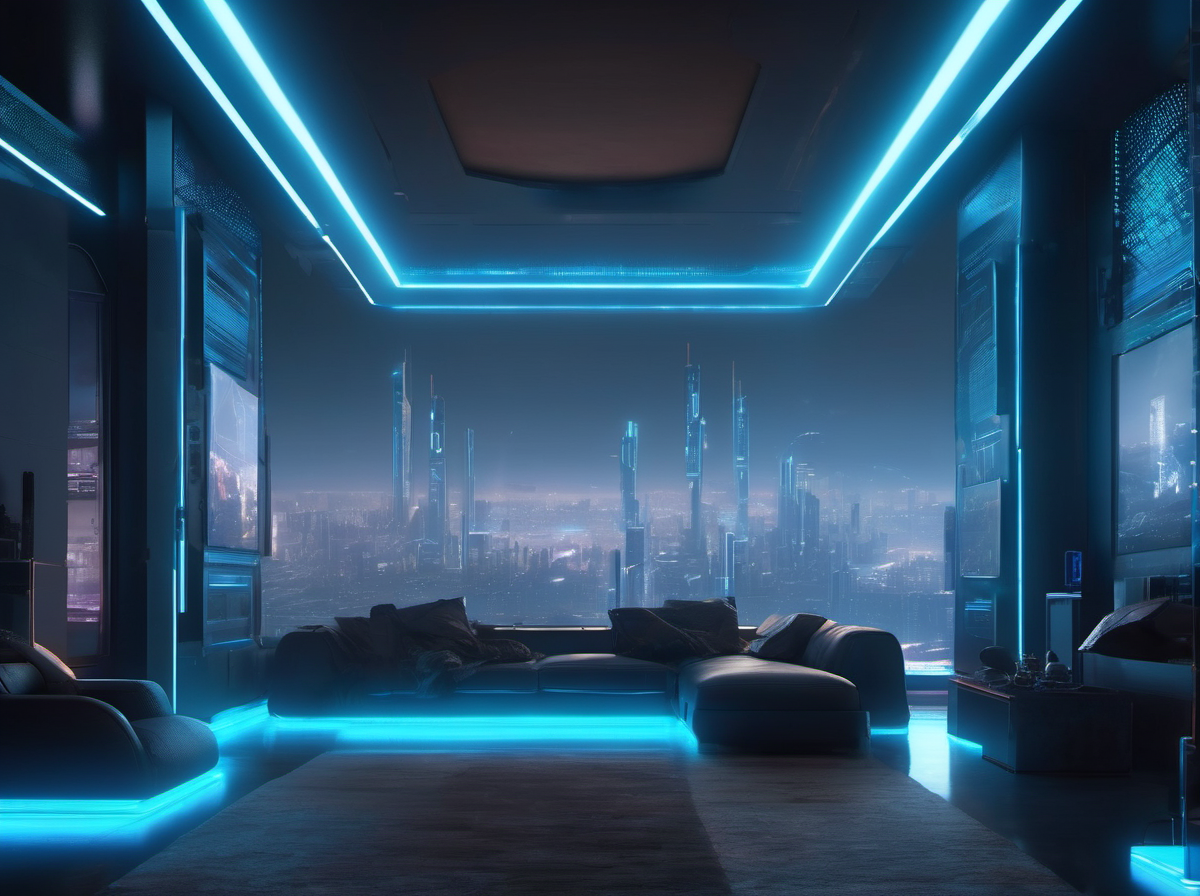
Want a living room that looks high-end without spending a fortune? The secret isn't your budget — it's layering. Interior design has one core principle that nearly every top designer follows: the 3 Layers — Foundation, Structure, and Accent.
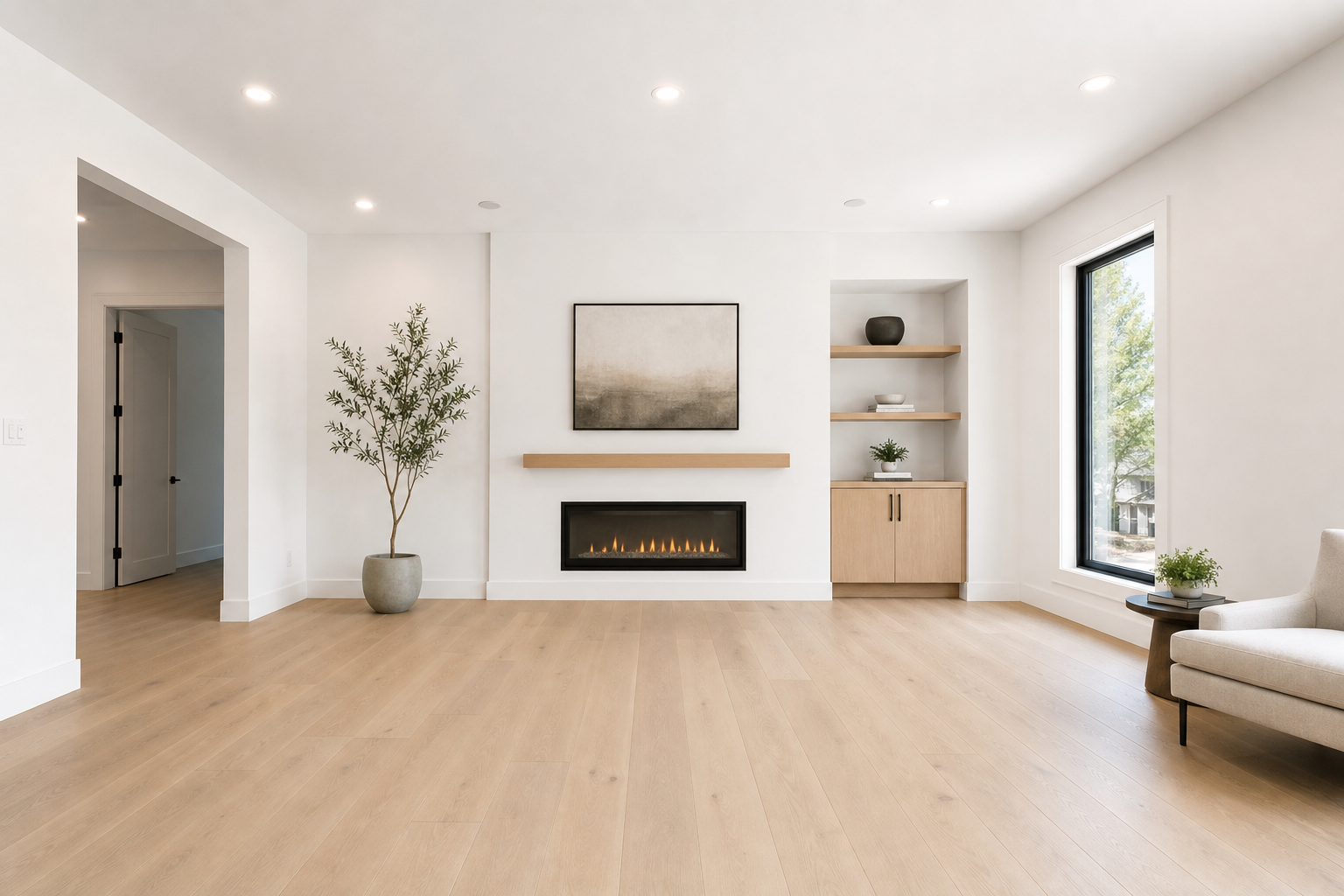
The Foundation layer is your room's skeleton: walls, floors, ceiling, and fixed furniture. This sets the overall tone. The source of that high-end feel is often clean lines and neutral tones — white walls, light oak floors, no visible light fixtures. Simple choices, but they're the safest path to a polished result.
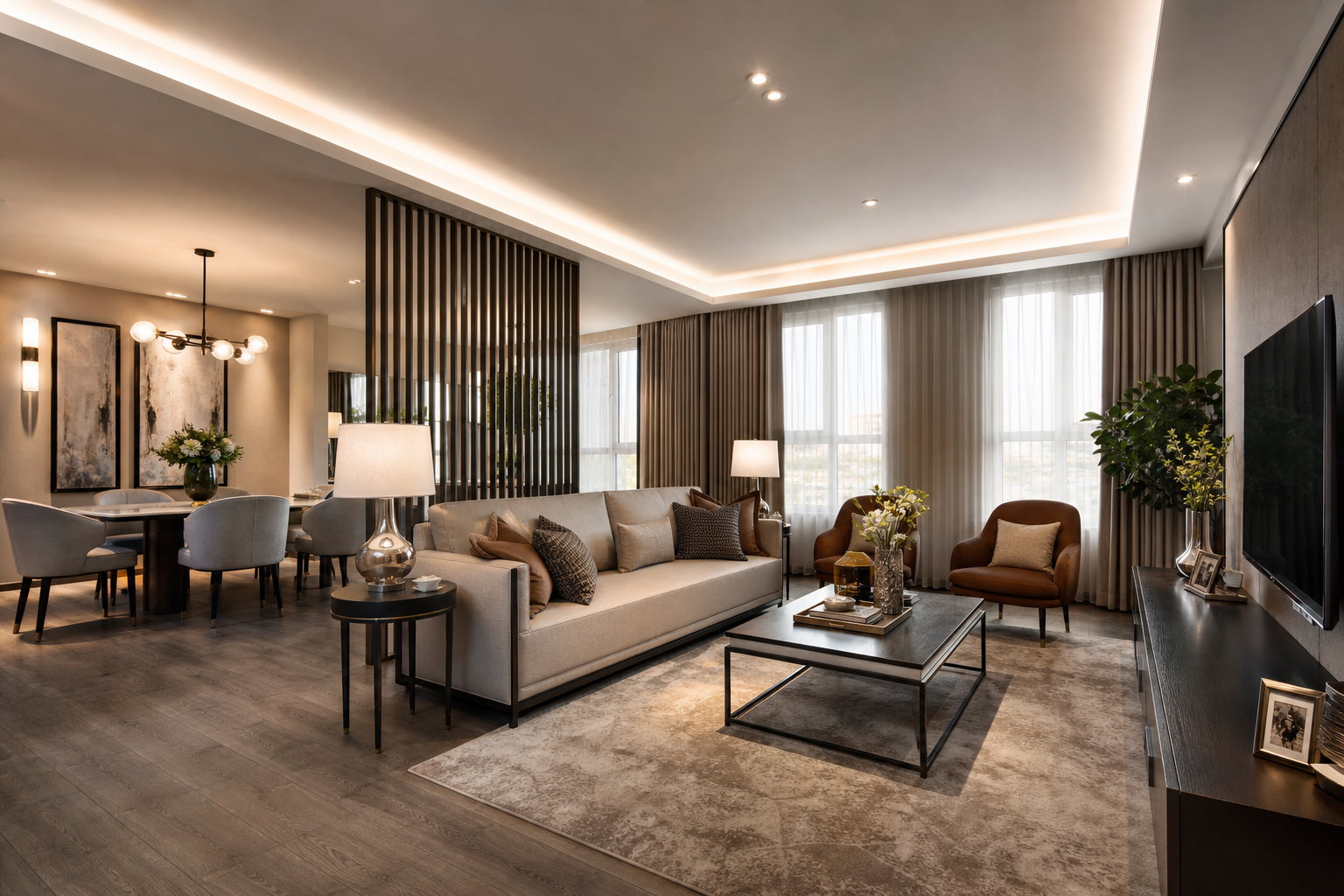
The Structure layer bridges Foundation and Accent: main furniture placement, curtains, rugs, and zoning lights. This layer is the most overlooked and the most critical. You need visual flow — as people move through the space, nothing blocks their sightline, and every major piece of furniture earns its place, not just because you bought it.
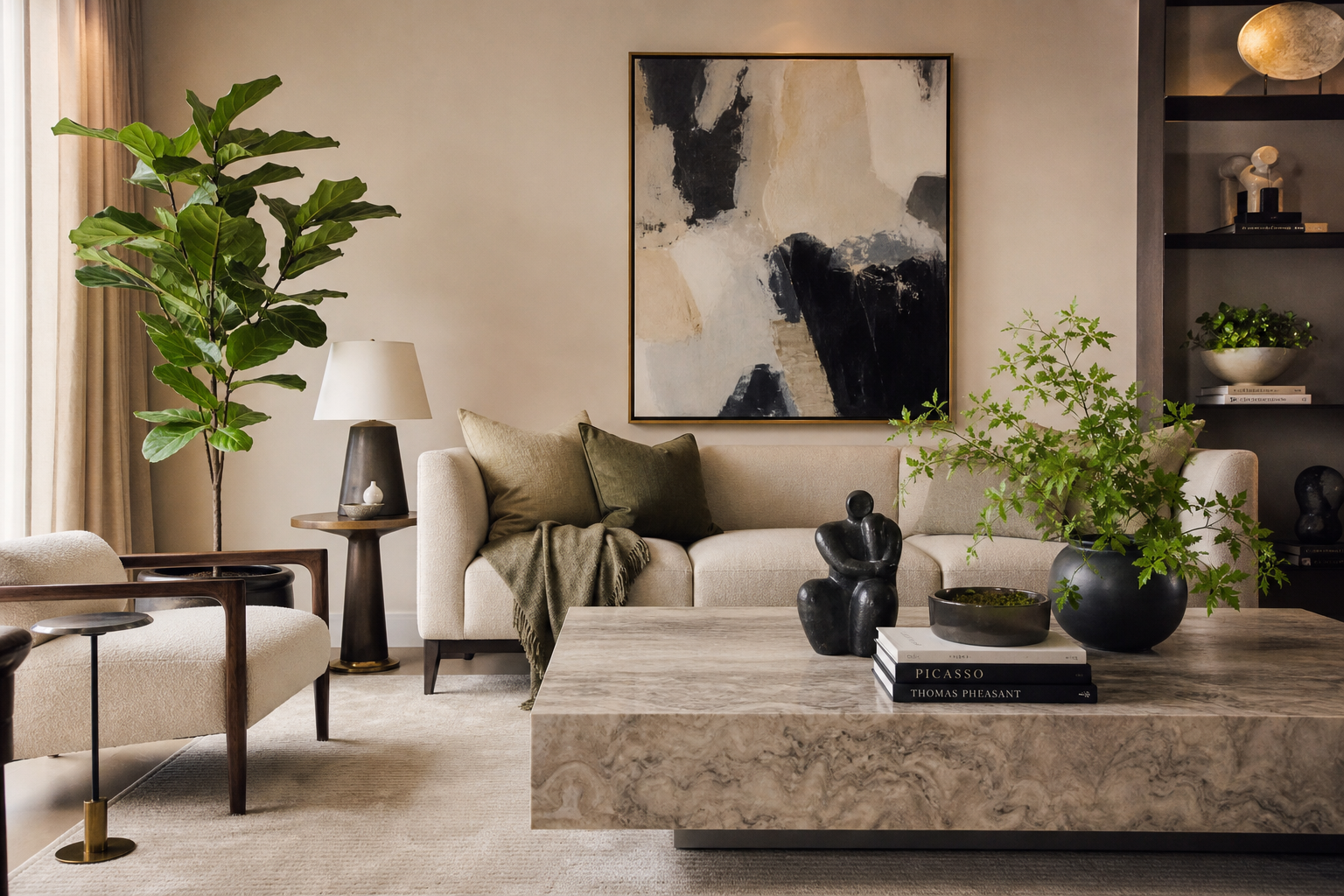
The Accent layer is what makes people stop and look: throw pillows, art, tabletop objects, plants. The key here is restraint — less, but better. High-end show homes typically halve their decorative pieces so every remaining item can be seen and appreciated. More often than not, subtraction is the shortcut to taste.
This YouTube video by Reynard Lowell explains the principle in a refreshingly visual way — not dry theory, but taking you through real case studies with before-and-after comparisons.
If you're planning a home refresh, use the 3-layer framework as a lens: Is your Foundation clean and simple? Does your Structure layer have flow? Is your Accent layer too cluttered? The answers are usually right there.