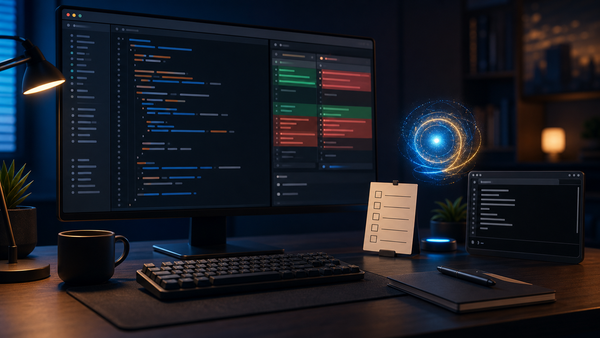
One Claude Code Tip a Day: Keep a Rollback Note Beside the Diff
Make Claude Code keep a rollback note next to the git diff: what changed, how to undo it, what proof is missing, and when to revert instead of piling on fixes.
Read moreA daily English series sharing practical Claude Code tips, commands, and workflows.
Make Claude Code keep a rollback note next to the git diff: what changed, how to undo it, what proof is missing, and when to revert instead of piling on fixes.
Read more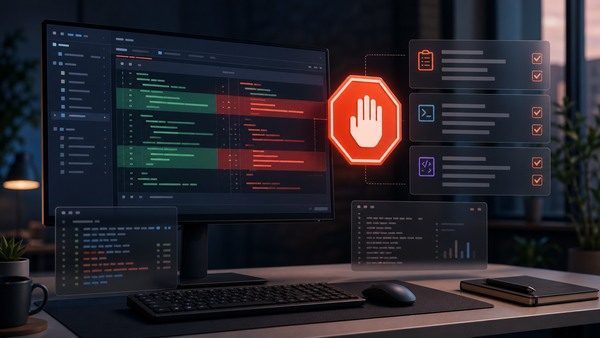
Before Claude Code makes another patch, define the signal that forces it to stop: a repeated failing test, an unexplained log line, a widened diff, or evidence that the first theory was wrong.
Read more
Use Claude Code permissions as a deliberate safety gate: approve boring inspection, pause before destructive commands, and turn risky operations into reviewed checkpoints.
Read more
Use /mcp as a Claude Code preflight: audit connected tools, name what the session can prove, and turn missing access into concrete verification checks.
Read more
Before you type claude, choose the repository that can prove the work: the code path, the focused tests, the logs, and the deploy command. The right cwd is a verification decision, not a convenience.
Read more
Treat /apply as a review gate, not a keyboard shortcut: inspect pending changes, ask Claude what would prove them, apply only the coherent slice, then verify with tests and a diff.
Read more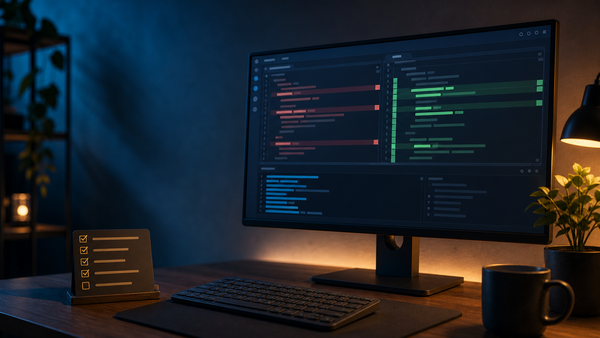
Before Claude Code edits a dirty working tree, snapshot the starting diff, label what is already there, and make every later review separate your changes from the model’s patch.
Read more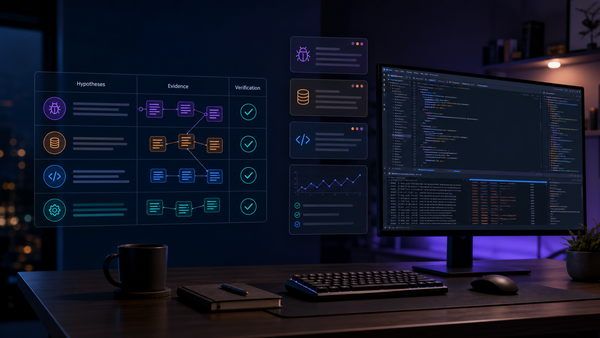
Before Claude Code patches a bug, make it list competing hypotheses, evidence, checks, and the smallest next action. The table keeps debugging honest when the first theory sounds too convenient.
Read more
After Claude Code edits, make it trace every meaningful change back to the failing behavior, the file evidence, and the verification result before you accept the patch.
Read more
Before trusting a Claude Code plan or patch, ask it to name the files, runtime paths, logs, and assumptions it did not inspect. The unread list turns confidence into reviewable scope.
Read more