Cordless Lamps Make Layered Lighting Easier to Live With
Rechargeable cordless lamps are becoming a practical interior tool: they add warm, movable layers of light without rewiring, visual clutter, or a permanent furniture plan.
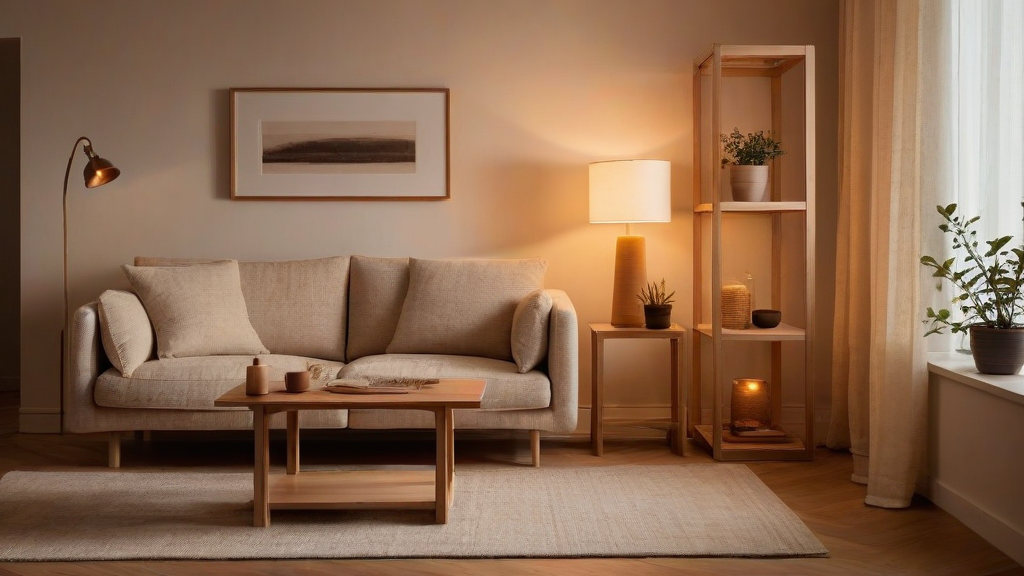
Cordless lamps are becoming one of the most useful small upgrades in interior design because they solve a real constraint: most homes need more layers of light than their wiring allows. The best rooms in 2026 are not brighter everywhere; they are better lit in the exact places where people read, cook, host, decompress, or move through a space at night. Rechargeable lamps make that kind of lighting easier to test, relocate, and live with, especially in apartments and small homes where every outlet is already negotiated.
Layered Light Beats One Big Fixture
A ceiling fixture can make a room usable, but it rarely makes it comfortable. Overhead light flattens texture, creates harsh shadows, and forces the same brightness on every activity. A layered room uses several smaller sources: a lamp near the sofa, a glow on a bookshelf, a low light on a console, and perhaps a focused task lamp near a chair.
Cordless lamps lower the barrier to building those layers. They let a renter put light on a floating shelf, a homeowner brighten a dark corner before committing to electrical work, or a family soften a dining area without adding another cable behind a sideboard. The design value is not novelty. It is the ability to place light where a room actually needs warmth, depth, or orientation.
Small Rooms Benefit Most
Small spaces often fail because they are lit like utility rooms: one central source, maximum output, no mood. A compact living room can feel larger when light is distributed across different heights. A lamp on a low table pulls attention toward seating. A small glow on a shelf adds depth to the back wall. A lamp near a plant or textured vase makes the corner feel intentional rather than leftover.
This is where cordless designs are especially practical. They can sit on narrow ledges, window sills, bar carts, bedside shelves, or the top of a cabinet where cords would look messy or unsafe. In a studio apartment, one rechargeable lamp can shift from desk to dining table to nightstand depending on the evening routine. That flexibility supports a room that changes function without needing to look temporary.
The Tradeoff Is Discipline
Cordless lighting is not automatically elegant. Too many tiny lamps can make a room look like a restaurant table display, and weak batteries can turn a beautiful object into another device that never gets charged. The best approach is to choose fewer pieces with a clear job. One lamp might provide reading light beside a chair. Another might create a low evening path from kitchen to sofa. A third might add a warm accent to built-in shelves.
Color temperature matters. Warm light, roughly in the soft white range, usually works better for living rooms and bedrooms than a cool, office-like glow. Dimming matters too, because a cordless lamp should not compete with every other source. The goal is a pool of light, not a beacon. Materials also influence the effect: opal glass diffuses, metal reflects, woven shades add texture, and ceramic bases can make a small object feel more architectural.
Use Them to Test Permanent Decisions
One underrated use for cordless lamps is design rehearsal. Before installing sconces, under-shelf lighting, or a new pendant, place a rechargeable lamp near the intended zone for a week. If the room feels better with light at that height and direction, the permanent upgrade is more likely to be worth the cost. If the lamp is rarely used, the wiring project may be unnecessary.
This testing approach is helpful for older homes with awkward switch locations, rentals with strict rules, and open-plan rooms where furniture shifts over time. It also prevents overdesign. Sometimes the right answer is not a dramatic fixture; it is a quiet lamp that makes a corner usable after sunset.
A Practical Buying Framework
Start with the moment you want to improve. If the issue is reading, prioritize shade direction and brightness control. If the issue is atmosphere, choose diffusion and warm tone. If the lamp will move between rooms, look for stable weight, simple charging, and a shape that is easy to carry. For shelves or dining tables, scale matters more than output.
Also plan the charging routine. A lamp that docks neatly or charges with a common cable is more likely to stay in use.
Key Takeaway
Cordless lamps are not a replacement for good architectural lighting, but they are a smart way to make homes feel more layered, adaptable, and personal. Use them deliberately: place warm light where life actually happens, test before rewiring, and let small pools of glow make everyday rooms easier to inhabit.