Smart Irrigation Works Best When It Starts With Soil
Smart irrigation is most useful when it reacts to real soil and weather conditions, not when it simply moves an old timer schedule into an app.
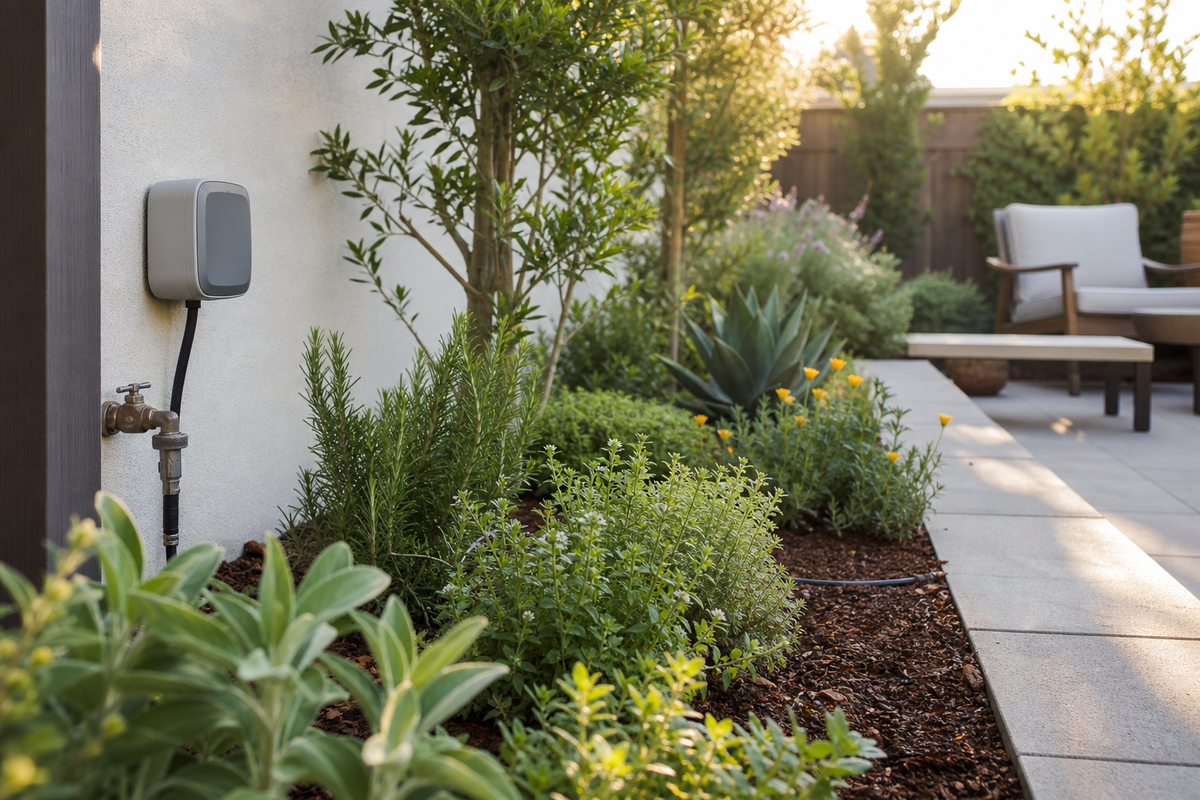
The Thesis: Outdoor Automation Should Begin Below the Surface
The best smart irrigation setup is not a fancier timer. It is a small decision system that checks whether plants actually need water before it opens a valve. The thesis is simple: outdoor automation becomes practical when it responds to soil, weather, and plant zones, because those signals prevent the two common failures of home watering: neglect during hot weeks and waste after rain.
A Timer Is Easy, but Soil Is More Honest
Traditional sprinkler timers solve one problem well: they remember a schedule. They do not know whether a raised planter dried out overnight, whether a shaded bed stayed damp, or whether yesterday’s storm made today’s cycle unnecessary. Soil-aware systems improve on that by combining moisture probes, local weather delays, and zone-specific run times. A herb planter on a sunny balcony may need short, frequent watering. A mulched shrub bed may need deeper, less frequent watering. A patch of native grasses may need almost none once established. Treating every area the same is how gardens get both dry corners and soggy roots.
Start With Zones, Not Gadgets
A practical project begins by mapping the yard into watering zones. Group plants by sun exposure, container size, and water needs before buying hardware. For example, put tomatoes, herbs, and small pots on one drip line because containers dry quickly. Keep established shrubs on a separate line because they prefer deeper cycles. Leave drought-tolerant plants on manual or rare watering if they are already healthy. This planning step matters more than the controller brand. If the zones are poorly designed, automation only makes the wrong pattern happen more consistently. It also keeps costs grounded: one controller and a few carefully placed probes can outperform an expensive setup that treats every bed as identical.
Where the Smart Part Actually Helps
The useful features are modest. Rain skip prevents watering after storms. Seasonal adjustment reduces run time during cooler months. Moisture thresholds stop a cycle when soil is still damp. Flow alerts can flag a broken drip tube before a planter floods. Remote control is helpful during travel, but it should not be the main reason to install the system. The goal is to make the garden need fewer emergency decisions. A good routine might water a vegetable bed before sunrise, pause automatically after measurable rain, and send one alert if a zone runs unusually long. For a townhouse patio, that might mean two ten-minute drip cycles during a heat wave instead of a daily blanket schedule. For a larger yard, it might mean delaying the lawn while keeping vegetable containers alive.
Tradeoffs: Installation, Maintenance, and False Confidence
Smart irrigation still needs care. Drip emitters clog, tubing shifts, batteries in small probes run down, and weather estimates can miss a very local downpour. A homeowner should inspect the system at the start of each season, flush lines, check that emitters reach the root zone, and compare app readings with a quick finger test in the soil. There is also a privacy and dependency tradeoff: cloud-based controllers can be convenient, but basic watering should not become impossible if an app changes. Keep manual valves labeled, document the schedule, and choose gear that can fall back to a safe default. The most reliable installations are intentionally boring: fewer zones, clear names, visible shutoff points, and a calendar reminder to review watering assumptions as plants mature.
Key Takeaway
Smart irrigation is worth considering when it replaces guesswork with specific outdoor signals. Build zones around real plant needs, let soil and weather pause unnecessary cycles, and keep manual checks in the routine. Review the first month’s history, then shorten or lengthen runs based on what the plants and soil show. The result is not a showier yard; it is a calmer garden that wastes less water and survives busy weeks with fewer surprises.